
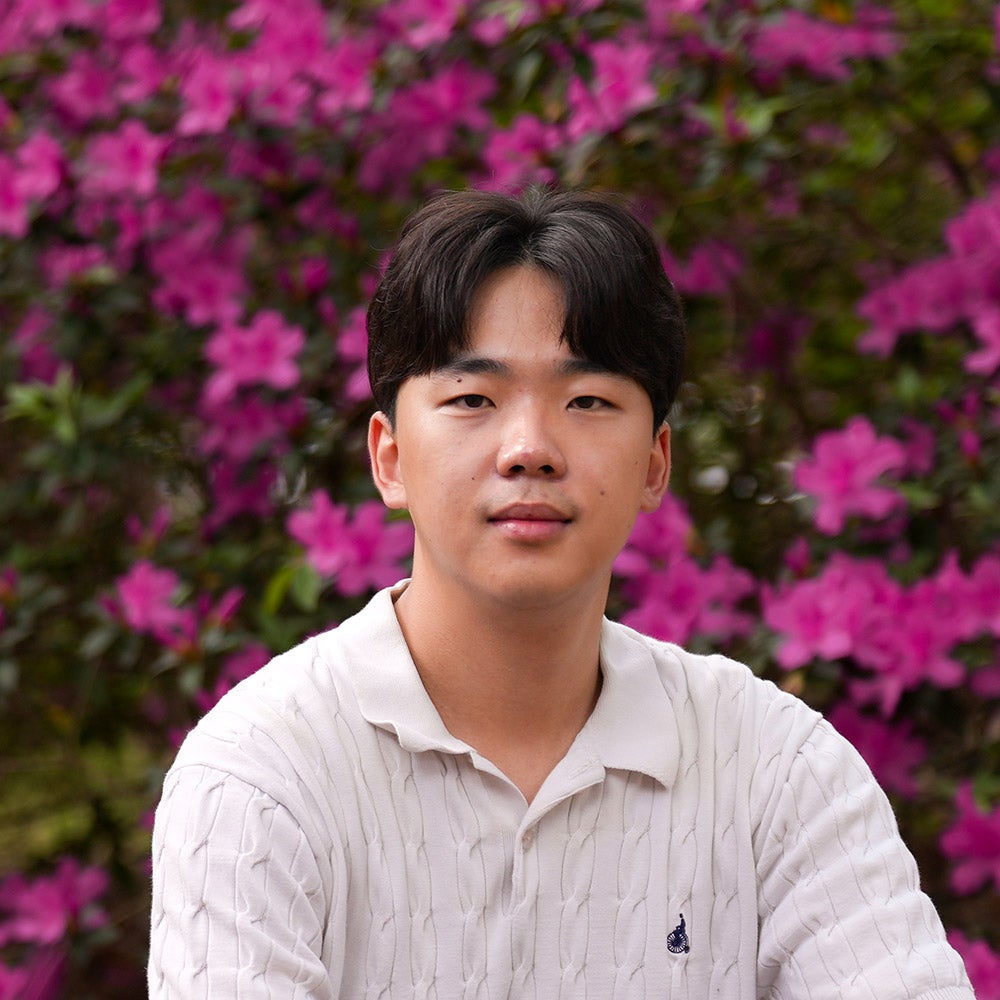
Rice University junior Seungik Cho, a biological physics and mathematics major, has been named an NSF-EMBS-Google-sponsored “NextGen Scholar” at the 2025 IEEE EMBS International Conference on Biomedical and Health Informatics BHI. The honor accompanies the acceptance of his sole-authored research paper, which explores new frontiers in computational biology and precision medicine.
Cho’s research addresses a fundamental challenge in computational biology and precision medicine: detecting hidden failures in gene regulatory networks that traditional analyses often miss. Using graph spectral methods, Cho studied how these networks collapse after the disruption of GATA1, a key transcription factor in blood cell development.
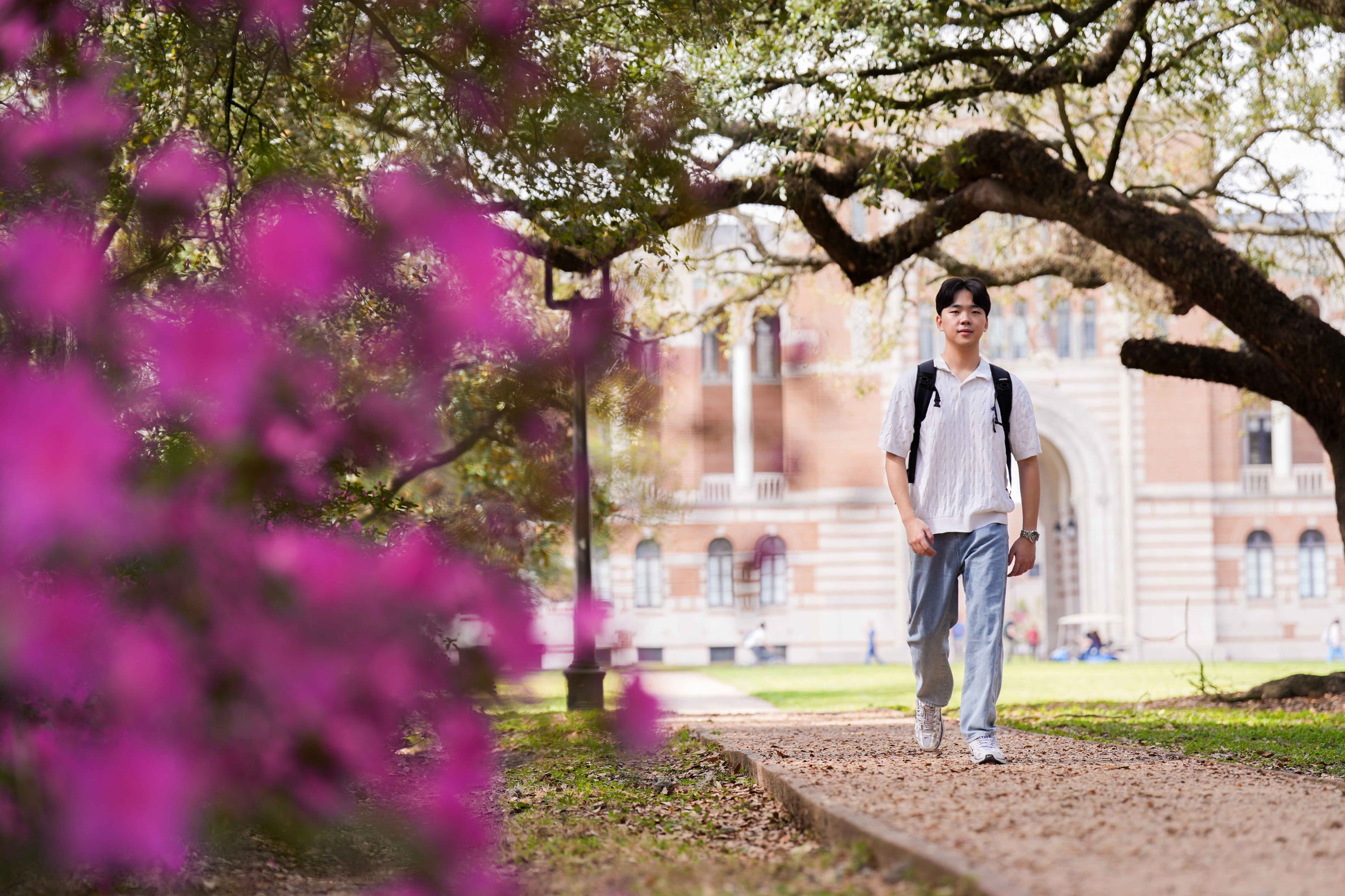
“What made this project especially exciting was using mathematical structure to uncover biologically meaningful signals that might otherwise remain invisible,” Cho said. “It was incredibly meaningful to see something I began developing independently on my laptop grow into a published conference paper.”
The achievement was supported by a Rice Office of Undergraduate Research and Inquiry (OURI) travel award, which enabled Cho to present his findings in person. Cho credits the Rice environment for giving him “the confidence to develop a bolder vision for AI in medicine.”
Cho’s ambitions extend beyond the laboratory. As a student founder and inventor within the Nucleate Texas Activator program, he translated his technical expertise into biotech entrepreneurship, specifically focusing on diagnostics for sepsis patients. Currently, he is developing a startup focused on precision medicine, and was recently informed that a second sole-author paper on medical AI and physician decision-making was accepted to ISBI 2026.
By sharing his journey, Cho hopes to motivate his peers to view research as a mission-driven pursuit rather than a line on a resumé. “For me, research becomes meaningful when it is tied to a long-term mission,” he said. “I hope my experience encourages other students to see research as a way to discover the impact they want to make in the world.”